


Why Nostalgia Is the Most Powerful Force in Pop Culture Right Now
From Barbie to Y2K fashion, nostalgia is dominating pop culture. But why does the past feel so good — and so marketable — right now?
By The Duskbloom Media Team
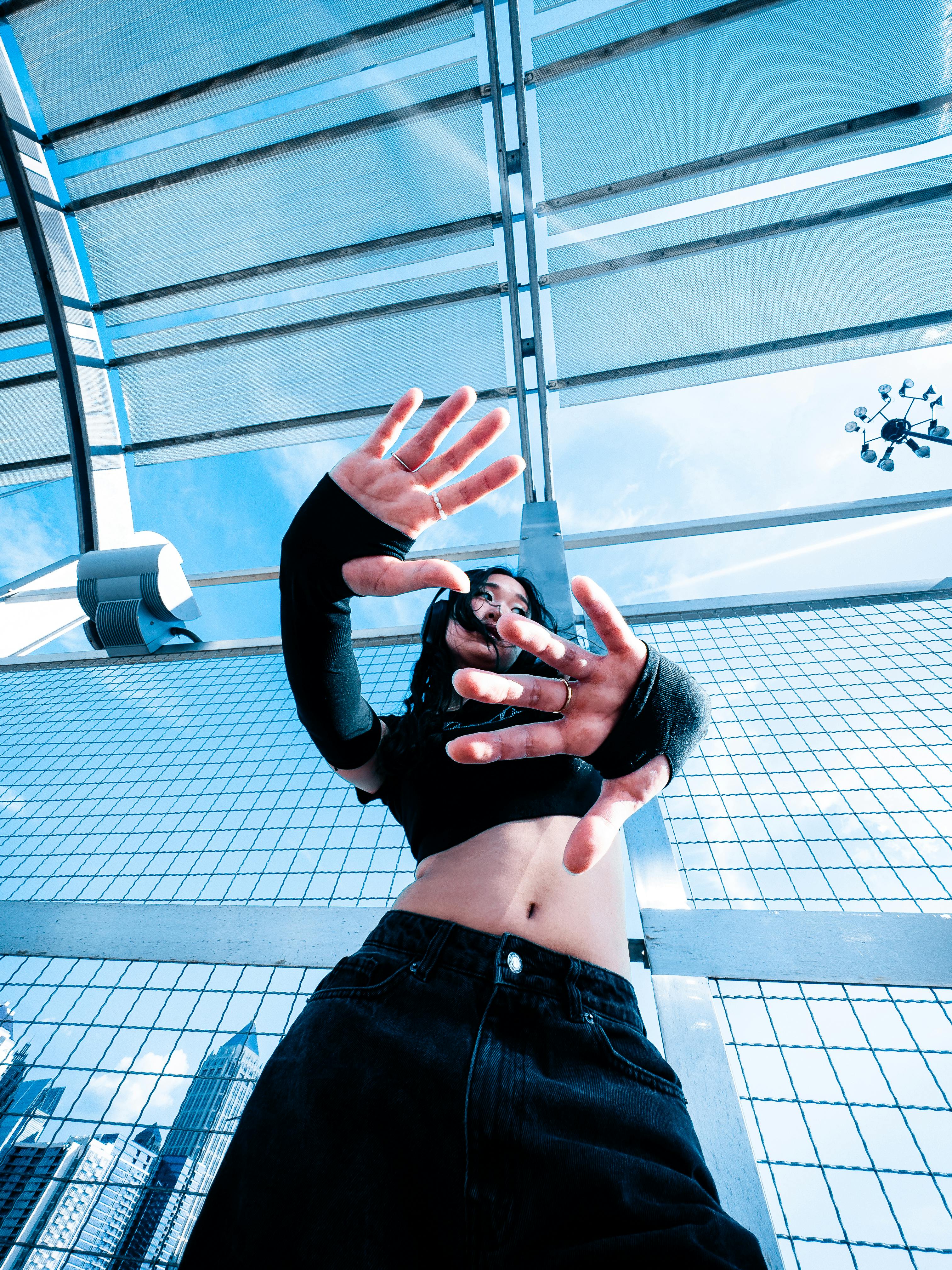
Image via Sherman Trotz via Pexels
It’s hard to scroll through any feed, flip through TV channels (yes, they still exist), or even walk through a mall without stumbling into a full-on blast from the past.
Barbie, the highest-grossing film of 2023. Y2K fashion dominating TikTok. Reboots of Frasier, That '70s Show, and Mean Girls. Vinyl records outselling CDs. Even disposable cameras are somehow cool again.
Nostalgia isn’t just having a moment — it is the moment.
But why?
And more importantly: why now?
The Brain Loves the Past More Than You Think
Nostalgia isn’t just sentimental fluff. It’s a neuroscientific and psychological response deeply wired into human cognition.
According to research from the University of Southampton, nostalgia can enhance mood, boost self-esteem, foster social connectedness, and even reduce physical pain (source). It’s a coping mechanism that activates the brain’s reward pathways — similar to how sugar or social validation might.
In other words, your brain sees a Lisa Frank notebook or hears the dial-up modem tone and goes:
Ah. Safety. Belonging. Simpler times.
The thing is, it’s not always about accuracy. It's about emotional shorthand. The past gets edited — smoothed over — until only the warmest parts remain.
Cultural Anxiety Fuels Collective Looking-Back
Nostalgia spikes during periods of societal instability or uncertainty — war, recession, political upheaval, rapid tech change. Sound familiar?
Psychologist Krystine Batcho, author of The Psychology of Nostalgia, explains that nostalgia gives people a sense of continuity and meaning when the future feels unpredictable.
“When the present is hard to understand and the future feels threatening, the past becomes a place of comfort,” she says.
That’s why post-pandemic media is soaked in throwbacks. In an era of climate anxiety, AI disruption, and crumbling institutions, revisiting the ‘90s or early 2000s becomes a cultural reflex — not unlike comfort food during stress.
Nostalgia as a Business Model
Here’s the real kicker: nostalgia sells.
And brands know it.
Fashion labels like Diesel and Blumarine have leaned hard into early-2000s style — butterfly clips, low-rise jeans, metallic everything. Meanwhile, McDonald’s brought back adult Happy Meals with retro toys. Stranger Things launched a whole wave of interest in 1980s music, bringing Kate Bush back to the charts nearly 40 years later.
The streaming wars have only intensified the trend. Reboots and remakes are seen as safer bets than originals. Disney’s live-action machine. Netflix’s algorithm-friendly nostalgia bombs. It’s all about minimizing risk with pre-sold emotions.
You’re not just watching a movie. You’re buying back a piece of yourself.
TikTok and the Algorithm of Longing
Social media — particularly TikTok — acts as both amplifier and archive. Users now create “nostalgia-core” edits for eras they never even lived through. Teens romanticize 2014 Tumblr aesthetics or pretend they grew up with VHS tapes.
It’s not fake — it’s aspirational memory.
A curated version of the past, filtered through the longing of a chaotic present.
What used to be private nostalgia (triggered by a smell or song) is now shared, stylized, and monetized. Trend cycles have accelerated to the point where “nostalgia” can refer to events from five years ago.
That’s not a glitch. It’s the system working as designed.
When Does Nostalgia Become a Trap?
There’s a fine line between emotional connection and cultural stagnation.
Critics argue that leaning too heavily on nostalgia can lead to creative inertia — endless remakes, risk-averse art, and an unwillingness to imagine something truly new.
The question becomes: Are we celebrating the past — or hiding in it?
It’s a fair concern. But some scholars suggest nostalgia isn’t inherently regressive. Done right, it can be reflective, even radical. Think of Beyoncé’s Renaissance, which used disco and ballroom references not to escape history but to reclaim it.
Final Thought: It's Not Just About the Past — It’s About Control
What nostalgia really offers is a sense of control. In a world that often feels like it’s spiraling — pandemics, polarization, planetary doom — the past is something you can understand. You’ve lived it. You’ve survived it.
So when culture wraps itself in old sounds, old styles, and old stories, it’s not just retreating.
It’s recalibrating.
Because in the end, nostalgia isn’t about going backward.
It’s about trying to move forward without losing yourself along the way.
Sources and Further Reading
Relevant tags:
Ad Placeholder
Article Inline Ad
Billboard
More from Culture

The Rise of 'Core' Culture: Why Every Aesthetic Now Has Its Own Micro-World
By The Duskbloom Media Team

How Food Became the Most Politicized Thing on Your Plate
By The Duskbloom Media Team

How K-Pop Conquered the World: The Cultural Revolution Behind the Music
By The Duskbloom Media Team