


Why Do We Dream? The Science Behind Our Sleeping Mind
Explore the latest scientific research on dreams and discover what happens in our brains while we sleep, and why these nightly adventures might be crucial for our wellbeing.
By The Duskbloom Media Team

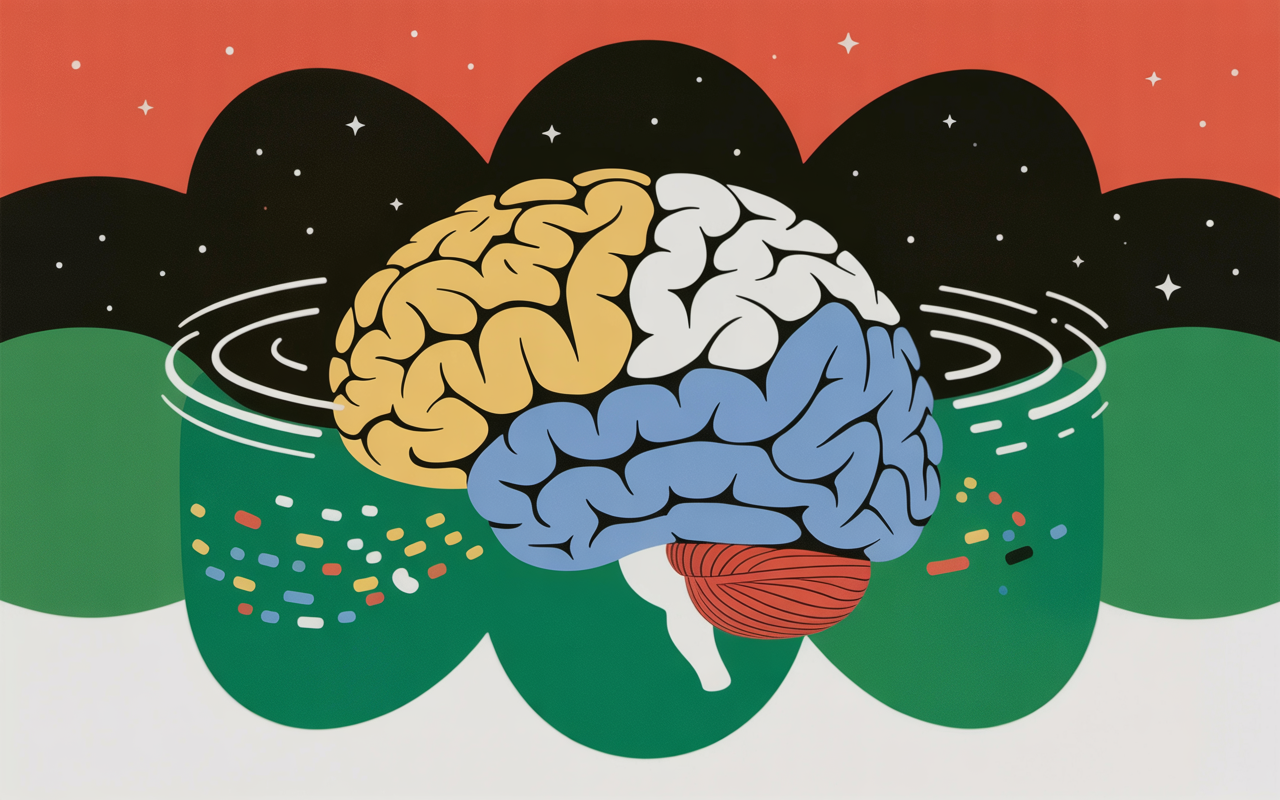
Image via [source here]
Why Do We Dream? The Science Behind Our Sleeping Mind
Every night, as we drift off to sleep, our minds embark on journeys that can be vivid, bizarre, emotional, or downright terrifying. Dreams have fascinated humans for millennia, inspiring art, literature, and countless theories about their meaning and purpose.
The Science of Sleep Stages
To understand dreams, we first need to understand sleep itself. Sleep occurs in cycles, each lasting about 90 minutes, with four distinct stages:
Non-REM Sleep
- Stage 1: Light sleep, easily awakened
- Stage 2: Deeper sleep, body temperature drops
- Stage 3: Deep sleep, crucial for physical restoration
REM Sleep
- Stage 4: Rapid Eye Movement sleep, when most vivid dreams occur
When Do We Dream?
While dreams can occur during any sleep stage, the most vivid and memorable dreams happen during REM sleep. During this stage:
- Brain activity increases dramatically
- Eyes move rapidly beneath closed lids
- Muscles become temporarily paralyzed
- Heart rate and breathing become irregular
Why Do We Dream? Leading Theories
Memory Consolidation Theory
Dreams may help transfer important information from short-term to long-term memory. During sleep, the brain replays and organizes the day's experiences, strengthening neural connections.
Emotional Processing Theory
Dreams might serve as a way to process emotions and traumatic experiences in a safe environment, helping us cope with stress and anxiety.
Random Activation Theory
Some scientists propose that dreams are simply the brain's attempt to make sense of random neural activity during sleep—like a screensaver for the mind.
Problem-Solving Theory
Many breakthrough discoveries have reportedly come through dreams, suggesting they might help us approach problems from new angles.
The Neuroscience Behind Dreams
Modern brain imaging has revealed fascinating insights:
- The visual cortex is highly active during dreams, explaining their often vivid imagery
- The prefrontal cortex (responsible for logic) is less active, explaining dream illogic
- The limbic system (emotions) is highly active, making dreams emotionally intense
Common Dream Themes
Research has identified universal dream themes across cultures:
- Falling - Possibly related to the transition into sleep
- Being chased - May reflect anxiety or avoidance in waking life
- Flying - Often associated with feelings of freedom or escape
- Losing teeth - Potentially linked to concerns about appearance or control
- Being naked in public - May represent vulnerability or shame
Lucid Dreaming
Some people can become aware they're dreaming while still asleep—a phenomenon called lucid dreaming. This awareness sometimes allows dreamers to control their dream narratives, offering unique insights into consciousness itself.
Dreams and Mental Health
Research suggests that dreaming patterns can reflect mental health:
- Depression often correlates with longer, more intense REM periods
- PTSD can involve recurring nightmares
- Anxiety disorders may produce more threatening dream content
The Mystery Continues
Despite decades of research, dreams remain one of neuroscience's greatest mysteries. What we do know is that dreaming appears to be universal among humans and many animals, suggesting it serves important biological functions.
Whether dreams are meaningful narratives or neural housekeeping, they remain a fascinating window into the sleeping mind—reminding us that even in rest, our brains continue their remarkable work.
Sweet dreams are made of neurons firing in patterns we're only beginning to understand.
Relevant tags:
Ad Placeholder
Article Inline Ad
Billboard
More from Explainers

How Quantum Computing Actually Works: A Complete Beginner's Guide
By The Duskbloom Media Team
What Happens to Your Brain When You Don’t Sleep?
By The Duskbloom Media Team
Why Humans Are Still Better Than AI at Forecasting the Futures
By The Duskbloom Media Team