

How Quantum Computing Actually Works: A Complete Beginner's Guide
Dive into the fascinating world of quantum computing and discover how these revolutionary machines could change everything we know about processing information.
By The Duskbloom Media Team

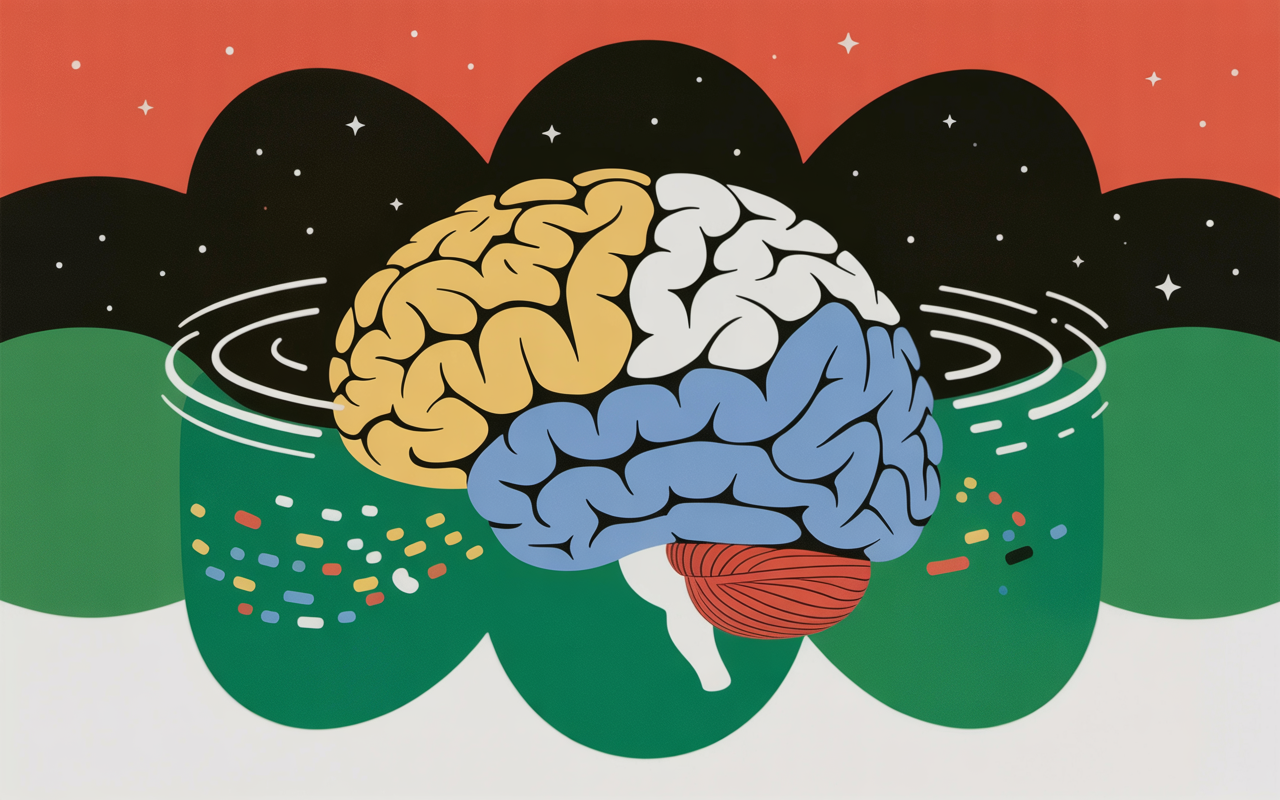
Image via [source here]
How Quantum Computing Actually Works: A Complete Beginner's Guide
Quantum computing represents one of the most significant technological breakthroughs of our time, promising to revolutionize everything from drug discovery to cryptography. But what exactly is quantum computing, and how does it differ from the computers we use every day?
The Classical vs Quantum Difference
Traditional computers process information using bits—tiny switches that can be either on (1) or off (0). Every calculation, every video you watch, every message you send is ultimately reduced to these binary operations.
Quantum computers, however, use quantum bits or "qubits." Here's where things get fascinating: thanks to the strange laws of quantum mechanics, qubits can exist in multiple states simultaneously—a phenomenon called superposition.
Understanding Superposition
Imagine flipping a coin. While it's spinning in the air, it's neither heads nor tails—it's both. Quantum superposition is similar. A qubit can be 0, 1, or both at the same time until we measure it.
This might sound impossible, but it's been verified countless times in laboratories worldwide. It's what gives quantum computers their incredible potential power.
Quantum Entanglement: The "Spooky" Connection
Another quantum phenomenon crucial to quantum computing is entanglement. When two qubits become entangled, measuring one instantly affects the other, regardless of the distance between them. Einstein famously called this "spooky action at a distance."
In quantum computers, entangled qubits work together in ways that classical bits simply cannot, allowing for massive parallel processing capabilities.
Real-World Applications
Drug Discovery
Quantum computers could simulate molecular interactions with unprecedented accuracy, potentially reducing the time to develop new medicines from decades to years.
Financial Modeling
Complex financial models that currently take days to run could be completed in hours, enabling better risk assessment and fraud detection.
Climate Modeling
Understanding climate change requires processing enormous amounts of data and running complex simulations—perfect tasks for quantum computers.
Current Limitations
Despite their promise, quantum computers face significant challenges:
- Fragility: Qubits are extremely sensitive to environmental interference
- Error Rates: Current quantum computers have high error rates
- Temperature: Most quantum computers must operate at temperatures colder than outer space
The Timeline
While companies like IBM, Google, and others have built working quantum computers, we're still in the early stages. Most experts predict that practically useful quantum computers are still 10-20 years away for most applications.
Conclusion
Quantum computing represents a fundamental shift in how we process information. While we're still in the early days, the potential applications are staggering. As the technology matures, it may well usher in a new era of scientific discovery and technological innovation.
Understanding quantum computing today is like understanding the internet in the 1980s—we're on the cusp of something that will reshape our world.
Relevant tags:
Ad Placeholder
Article Inline Ad
Billboard