


What Happens to Your Brain When You Don’t Sleep?
Discover how your brain cleans itself, regulates emotions, and maintains focus during sleep — and what happens when those critical hours are lost.
By The Duskbloom Media Team
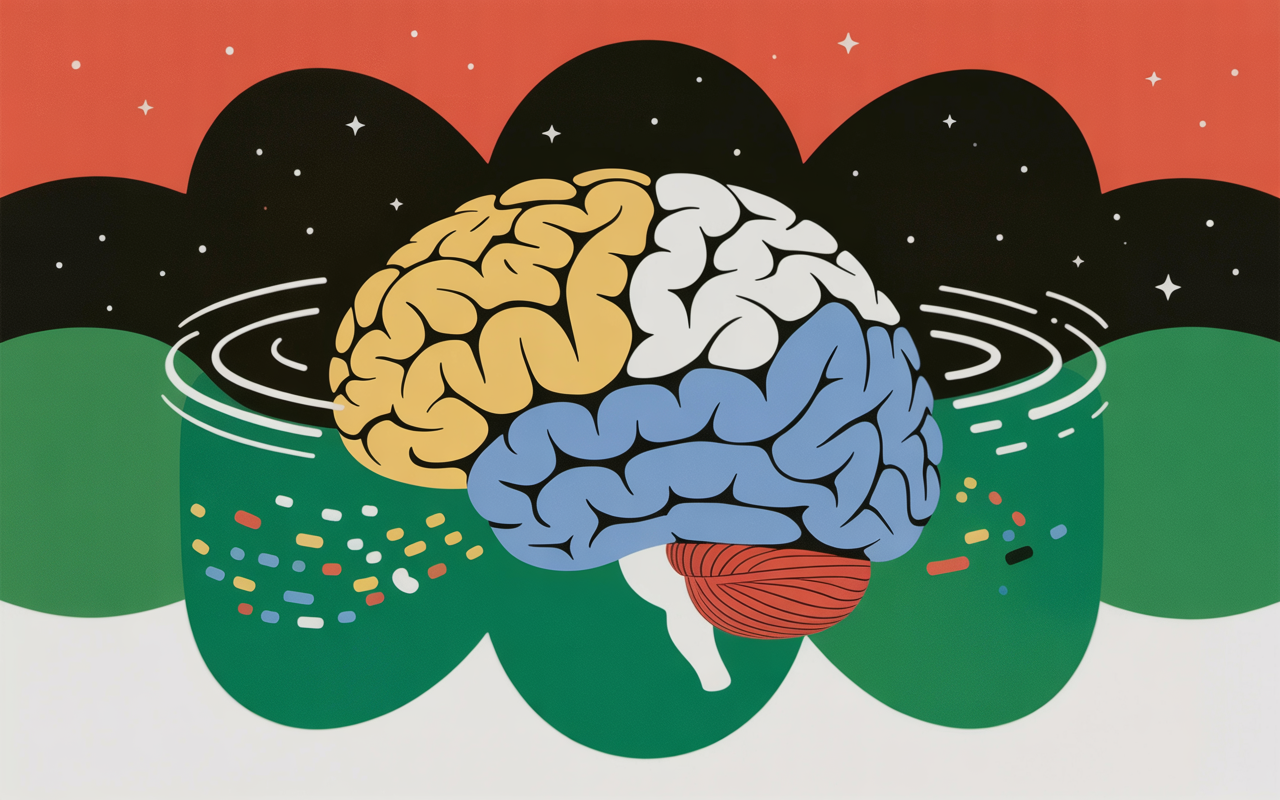
Image via Duskbloom Discovery
The Night Shift Inside Your Head
In the dark hours of night, while the world quiets, the brain hums with activity. Electrical rhythms pulse through neurons, cerebrospinal fluid flows like a tide, and a hidden maintenance crew gets to work.
Sleep, it turns out, is the body’s most sophisticated self-repair program — not a pause button, but a purification system.
The glymphatic system, discovered just over a decade ago, acts as the brain’s cleaning network. During deep sleep, cerebrospinal fluid washes through neural tissue, flushing out waste molecules that accumulate during the day — including beta-amyloid, one of the sticky proteins linked to Alzheimer’s disease.
When you skimp on sleep, that system falters. Toxic byproducts linger. Neurons fire erratically. It’s like running a factory where the janitors never show up.
What Sleep Does Beyond Rest
Every major brain function — from memory to mood — depends on sleep. During the night, the hippocampus and cortex “replay” experiences, reinforcing connections that encode memories. Without this replay, short-term information simply evaporates.
Meanwhile, emotional centers like the amygdala and prefrontal cortex recalibrate. Lack of sleep amplifies emotional reactivity, making us more irritable, impulsive, and prone to overreaction. MRI scans show that one sleepless night can increase amygdala activity by 60%, while dampening the prefrontal regions that help regulate it.
And then there’s metabolism: chronic sleep deprivation throws off the body’s ability to manage glucose, raising risk for insulin resistance, weight gain, and cardiovascular disease. Your brain interprets exhaustion as hunger — cueing late-night cravings and poor dietary decisions.
What Happens When You Don’t Sleep
In the short term, missing sleep dulls attention and reaction time. It slows cognitive processing and impairs judgment in ways eerily similar to alcohol intoxication.
One 2023 study found that 24 hours awake can produce the same level of performance deficit as a blood alcohol content of 0.10%, over the legal driving limit.
Over weeks or months, the consequences deepen:
- Memory consolidation fails.
- Cognitive flexibility declines.
- Immune response weakens.
- Hormonal cycles like cortisol and melatonin lose rhythm.
Even micro-sleeps — those split-second lapses when your brain involuntarily shuts down — can occur without warning, especially in drivers or shift workers.
Your brain is signaling one simple message: I can’t keep up.
The Repair Cycle Begins Again
The good news? The brain recovers remarkably fast. After one full night of restorative sleep, the glymphatic system restarts its cleansing flow. Neuronal pathways reset their firing patterns. Memory consolidation resumes.
This regenerative capacity explains why sleep remains one of the most effective — and free — tools for cognitive longevity.
It’s not just about the number of hours, but the depth and continuity of sleep. Deep non-REM cycles and REM dreams work together like alternating stages of cleanup and creativity: one purges debris, the other forges new connections.
Rethinking Sleep as Medicine
In modern life, sleep deprivation is almost worn as a badge of honor. But neuroscientists like Matthew Walker argue that “sleep is the single most effective thing we can do to reset our brain and body health each day.”
That reframes the issue from lifestyle to biology: Sleep isn’t optional recovery — it’s a biological necessity that sustains memory, mood, metabolism, and survival itself.
Key Insights
- Sleep triggers the brain’s glymphatic system, flushing out neurotoxic waste.
- Chronic deprivation disrupts mood, memory, metabolism, and cardiovascular function.
- Even one sleepless night can mimic alcohol intoxication in cognitive performance.
- Sleep restoration rapidly resets neural and metabolic balance, proving it’s active medicine.
- Protecting sleep may be the simplest intervention for brain and mental health longevity.
Ad Placeholder
Article Inline Ad
Billboard
More from Explainers

How Quantum Computing Actually Works: A Complete Beginner's Guide
By The Duskbloom Media Team

Why Do We Dream? The Science Behind Our Sleeping Mind
By The Duskbloom Media Team

Why Humans Are Still Better Than AI at Forecasting the Futures
By The Duskbloom Media Team