

Your Gut Microbiome: The Hidden Organ That Controls Your Health
Discover how the trillions of bacteria in your gut influence everything from your immune system to your mood, and learn practical ways to support your microbiome for better health.
By The Duskbloom Media Team

Image via [source here]
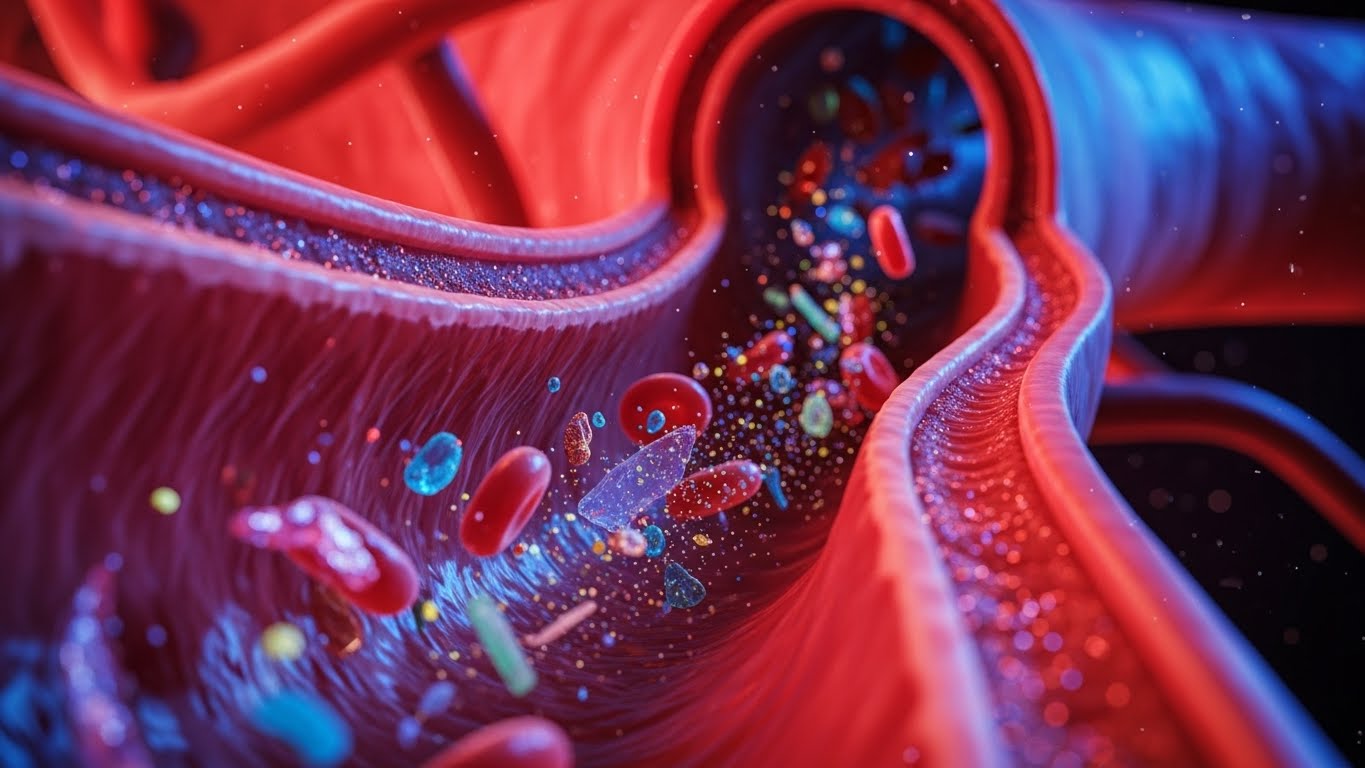
Deep within your digestive system lives a complex ecosystem of trillions of microorganisms—bacteria, viruses, fungi, and other microbes—collectively known as your gut microbiome. Far from being mere passengers, these microscopic inhabitants play crucial roles in your health, influencing everything from your immune system to your mood.
What is the Gut Microbiome?
Your gut microbiome is essentially a "hidden organ" consisting of:
- Over 1,000 different species of bacteria
- Approximately 100 trillion microorganisms
- A collective genetic capacity 100 times larger than the human genome
- A weight of about 2-5 pounds in the average adult
The Microbiome-Health Connection
Immune System Support
About 70% of your immune system resides in your gut, where beneficial bacteria:
- Train immune cells to distinguish between harmful and harmless substances
- Produce antimicrobial compounds to fight pathogens
- Maintain the gut barrier to prevent harmful substances from entering the bloodstream
Digestive Health
Your gut bacteria help with:
- Breaking down complex carbohydrates and fiber
- Producing essential vitamins (B vitamins, vitamin K)
- Synthesizing short-chain fatty acids that nourish gut cells
- Regulating gut motility and bowel movements
Mental Health: The Gut-Brain Axis
The connection between gut and brain is profound:
- Gut bacteria produce neurotransmitters like serotonin and GABA
- The vagus nerve creates a direct communication pathway
- Microbiome imbalances are linked to anxiety and depression
- Some bacteria strains are being studied as "psychobiotics"
Factors That Influence Your Microbiome
Diet
Beneficial for microbiome:
- Fiber-rich foods (fruits, vegetables, whole grains)
- Fermented foods (yogurt, kefir, sauerkraut, kimchi)
- Diverse plant foods
- Polyphenol-rich foods (berries, green tea, dark chocolate)
Harmful to microbiome:
- Highly processed foods
- Excessive sugar
- Artificial sweeteners
- Low-fiber diets
Lifestyle Factors
- Sleep: Poor sleep disrupts microbiome balance
- Stress: Chronic stress reduces beneficial bacteria
- Exercise: Regular physical activity promotes microbiome diversity
- Antibiotics: While sometimes necessary, they can disrupt bacterial balance
Environmental Factors
- Early life experiences (birth method, breastfeeding)
- Geographic location and climate
- Exposure to pets and nature
- Hygiene practices
Signs of an Unhealthy Microbiome
Common symptoms may include:
- Digestive issues (bloating, gas, irregular bowel movements)
- Frequent infections or illness
- Mood changes or mental health issues
- Skin problems
- Food cravings, especially for sugar
- Autoimmune conditions
Supporting Your Microbiome Health
Dietary Strategies
Increase Fiber Intake
- Aim for 25-35 grams of fiber daily
- Include a variety of fiber types (soluble and insoluble)
- Gradually increase intake to avoid digestive discomfort
Embrace Fermented Foods
- Include 1-2 servings of fermented foods daily
- Try yogurt, kefir, kombucha, miso, tempeh
- Look for "live and active cultures" on labels
Diversify Your Plate
- Eat a wide variety of plant foods
- Aim for 30 different plant foods per week
- Include colorful fruits and vegetables
Prebiotic Foods
Feed your good bacteria with:
- Garlic and onions
- Asparagus and artichokes
- Bananas and apples
- Oats and barley
- Legumes and beans
Lifestyle Modifications
Stress Management
- Practice meditation or mindfulness
- Engage in regular physical activity
- Maintain social connections
- Consider yoga or tai chi
Sleep Optimization
- Aim for 7-9 hours of quality sleep
- Maintain consistent sleep schedules
- Create a relaxing bedtime routine
Mindful Antibiotic Use
- Only use antibiotics when prescribed
- Complete the full course as directed
- Consider probiotic supplementation during and after antibiotic treatment
The Role of Probiotics
What Are Probiotics?
Live beneficial bacteria that can provide health benefits when consumed in adequate amounts.
Choosing Probiotic Supplements
Consider:
- CFU (Colony Forming Units) count
- Strain diversity
- Third-party testing
- Proper storage requirements
- Consult healthcare providers for personalized recommendations
Emerging Research Areas
Personalized Nutrition
Scientists are working on:
- Microbiome testing to guide dietary recommendations
- Personalized probiotic formulations
- Precision nutrition based on individual microbiome profiles
Therapeutic Applications
Research is exploring microbiome-based treatments for:
- Inflammatory bowel disease
- Obesity and metabolic disorders
- Mental health conditions
- Allergies and autoimmune diseases
The Future of Microbiome Medicine
As our understanding grows, we may see:
- Microbiome-based diagnostics
- Targeted bacterial therapies
- Personalized dietary interventions
- Integration with conventional medical treatments
Practical Steps to Start Today
- Add one fermented food to your daily routine
- Increase fiber gradually by adding one extra serving of vegetables
- Reduce processed foods by preparing more meals at home
- Manage stress through one relaxing activity daily
- Prioritize sleep by establishing a consistent bedtime routine
Conclusion
Your gut microbiome represents a fascinating frontier in health science, revealing how the microscopic world within us profoundly influences our overall wellbeing. While research is still evolving, the evidence is clear: taking care of your gut microbiome through diet, lifestyle, and mindful choices can have far-reaching benefits for your physical and mental health.
Remember, building a healthy microbiome is a long-term process. Small, consistent changes in your daily habits can lead to significant improvements in your gut health and overall quality of life.
Your gut bacteria are not just along for the ride—they're active partners in your journey toward optimal health.
Ad Placeholder
Article Inline Ad
Billboard