

Why Hydration Isn’t as Simple as Drinking More Water
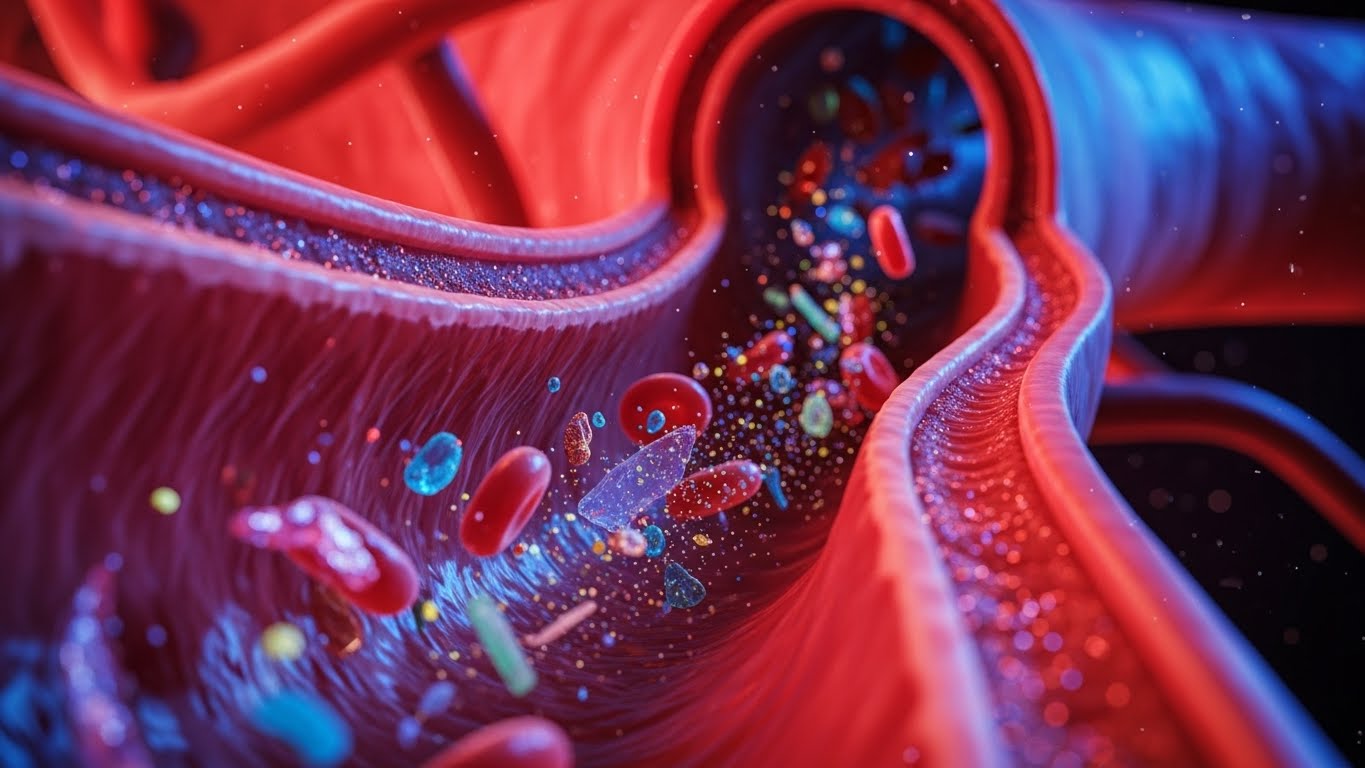
Hydration is more than chugging water — it’s a delicate balance of electrolytes, kidneys, and cellular chemistry that keeps every system running smoothly.
By The Duskbloom Media Team
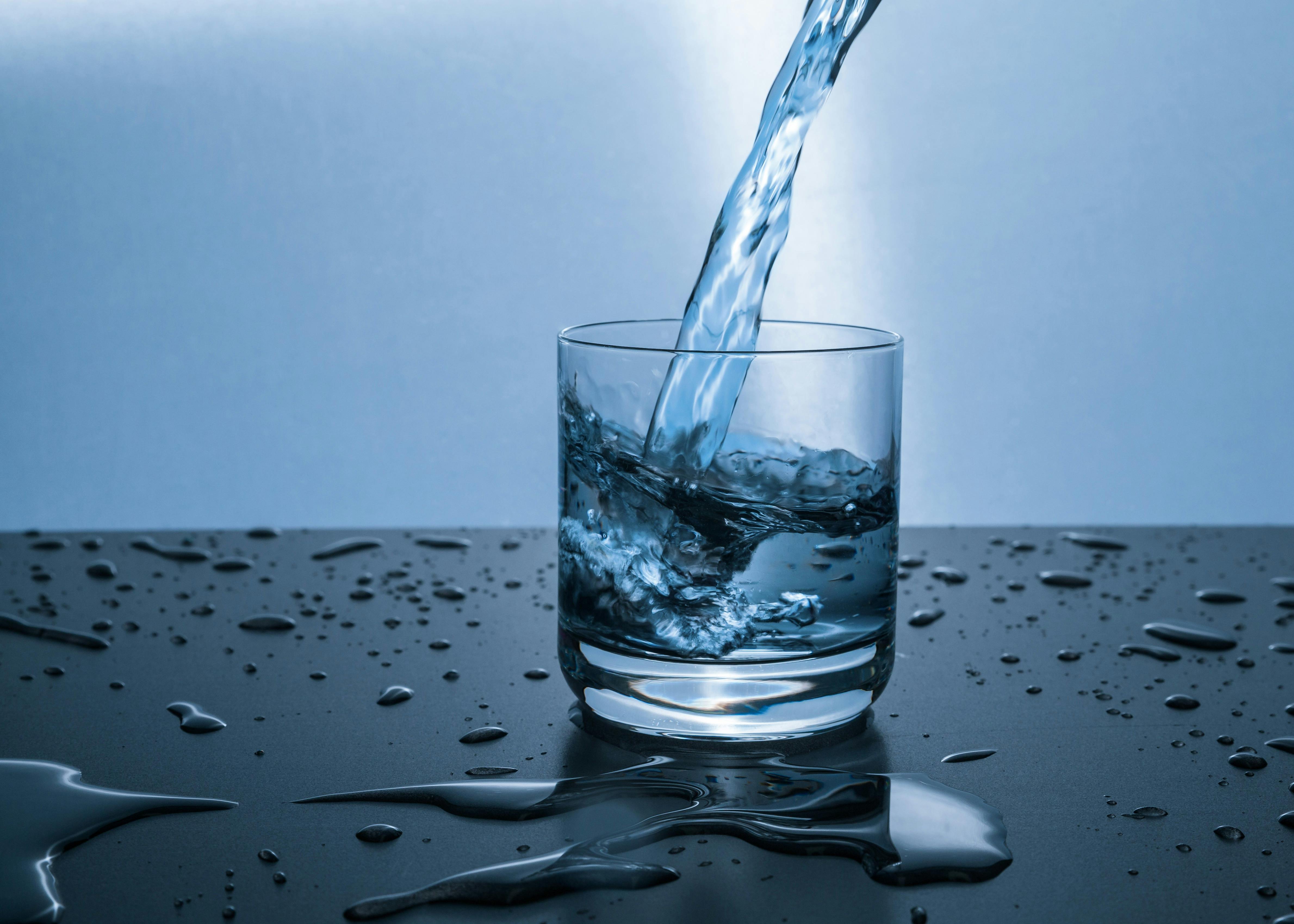
Image via Duskbloom Discovery
The Myth of “Eight Glasses a Day”
We’ve all heard it: drink eight glasses of water daily. But the truth is, your body doesn’t work by a fixed number.
Hydration is a biochemical balancing act between fluids and electrolytes — sodium, potassium, and chloride — that regulate nerve impulses, blood pressure, and muscle contraction.
Your kidneys are the command center. They adjust water and salt retention minute by minute, maintaining the perfect internal balance whether you’re hiking in summer or sitting at a desk.
So why do so many people get it wrong? Because hydration isn’t just about how much water you drink — it’s about how well your body holds it.
The Science Behind Fluid Balance
Every cell in your body maintains a precise internal salt concentration. Water follows salt through a process called osmosis. When you sweat, cry, or urinate, you lose both water and electrolytes — and if you replace only water, the balance tips.
That’s why marathoners and extreme water drinkers can experience hyponatremia, a dangerous condition where blood sodium becomes too diluted. Symptoms range from dizziness to seizures. On the flip side, dehydration — losing more water than you take in — can thicken blood, strain the heart, and dull cognition.
The healthiest equilibrium lives in the middle: steady intake, guided by thirst, diet, and environment.
What the Body Knows That We Forget
Your body has evolved intricate feedback systems to regulate hydration.
The hypothalamus senses tiny changes in blood osmolarity (the concentration of solutes) and triggers thirst long before you’re in real danger. Simultaneously, the kidneys adjust urine concentration, ensuring water is conserved when needed and expelled when not.
So if you’re thirsty — drink. But if you’re forcing water constantly, you may just be giving your kidneys extra work.
Beyond Water: Food and Hydration
Roughly 20–30% of daily water intake comes from food — especially fruits, vegetables, and soups. Cucumbers, melons, citrus, and leafy greens all contain structured water bound with electrolytes and fiber, providing slow-release hydration that’s more stable than plain water.
Caffeine and alcohol, often blamed for dehydration, have only mild diuretic effects in habitual users — meaning your morning coffee doesn’t cancel out your water balance nearly as much as you think.
Listening to the Body’s Signals
There’s no universal formula, but there are clear cues:
- Thirst is the first and best signal.
- Urine color — pale yellow means hydrated; dark amber means you need fluids.
- Fatigue, dry mouth, or headaches can also flag dehydration.
For athletes or those in hot climates, electrolyte drinks or light mineral salts may help restore balance, but for most people, ordinary meals provide enough sodium and potassium.
Rethinking Hydration as Homeostasis
Hydration isn’t a challenge to “win” — it’s a state to maintain. The goal isn’t endless water bottles, but internal harmony: giving your body what it needs, when it asks.
True hydration means understanding that water is only half the story — the rest is the chemistry that keeps that water where it belongs.
Key Insights
- The “eight glasses a day” rule is outdated and oversimplified.
- Electrolyte balance — not just water intake — determines hydration.
- Both dehydration and overhydration can harm cognitive and cardiovascular function.
- The body’s own signals (thirst, urine color, fatigue) are accurate hydration guides.
- Food provides 30% of hydration needs, especially fruits and vegetables.
Ad Placeholder
Article Inline Ad
Billboard